Silverware holds a special place in many households, often passed down through generations as cherished heirlooms or used for special occasions. Over time, however, silverware can tarnish due to exposure to air and sulfur compounds, losing its luster and charm. As a supplier of Plain Aluminum Foil Roll, I'm frequently asked about the effectiveness of using our plain aluminum foil rolls to clean silverware. In this blog post, I'll delve into the science behind this cleaning method, explore its pros and cons, and provide a step-by-step guide on how to use our aluminum foil rolls to restore your silverware to its former glory.
The Science Behind Aluminum Foil Cleaning
The process of using aluminum foil to clean silverware is based on a chemical reaction known as ion exchange. When silver tarnishes, it reacts with sulfur compounds in the air to form silver sulfide, which appears as a dark layer on the surface of the silver. Aluminum is a more reactive metal than silver, meaning it has a greater tendency to lose electrons. When aluminum foil comes into contact with tarnished silver in the presence of an electrolyte, such as baking soda or salt dissolved in water, an electrochemical reaction occurs.
The aluminum atoms in the foil lose electrons and become positively charged ions, while the silver sulfide on the silverware gains electrons and is reduced back to silver metal. The sulfur ions are then transferred to the aluminum foil, where they form aluminum sulfide. This reaction effectively removes the tarnish from the silverware and restores its shine.
Advantages of Using Aluminum Foil to Clean Silverware
- Cost-Effective: Aluminum foil is an inexpensive and readily available household item, making it a budget-friendly alternative to commercial silver cleaners.
- Gentle on Silver: Unlike some abrasive cleaners, aluminum foil cleaning is a gentle method that does not scratch or damage the surface of the silverware.
- Environmentally Friendly: This cleaning method uses natural ingredients and does not involve the use of harsh chemicals, making it a more environmentally friendly option.
- Easy to Use: The process of using aluminum foil to clean silverware is simple and straightforward, requiring only a few basic household items.
Disadvantages of Using Aluminum Foil to Clean Silverware
- Limited Effectiveness: While aluminum foil cleaning can effectively remove light tarnish from silverware, it may not be as effective for heavily tarnished items.
- Time-Consuming: The cleaning process can take some time, especially for larger or more heavily tarnished pieces of silverware.
- Requires Care: Care must be taken when using aluminum foil to clean silverware to avoid scratching or damaging the surface of the silver.
Step-by-Step Guide to Cleaning Silverware with Aluminum Foil
- Gather Your Supplies: You will need a Plain Aluminum Foil Roll, a large bowl or container, baking soda or salt, hot water, and a soft cloth.
- Line the Container with Aluminum Foil: Place a sheet of aluminum foil in the bottom of the container, shiny side up. Make sure the foil covers the entire bottom of the container and extends up the sides.
- Add Baking Soda or Salt: Sprinkle a generous amount of baking soda or salt over the aluminum foil. The baking soda or salt acts as an electrolyte, facilitating the electrochemical reaction between the aluminum foil and the tarnished silver.
- Add Hot Water: Pour hot water into the container until it is about two-thirds full. The hot water helps to speed up the chemical reaction and makes the cleaning process more effective.
- Place the Silverware in the Container: Carefully place the tarnished silverware in the container, making sure it is in direct contact with the aluminum foil. Avoid overcrowding the container, as this can prevent the silverware from coming into contact with the foil and may reduce the effectiveness of the cleaning process.
- Let the Silverware Soak: Allow the silverware to soak in the solution for several minutes, or until the tarnish has been removed. The length of time required will depend on the severity of the tarnish. You may notice bubbles forming on the surface of the silverware, which is a sign that the chemical reaction is taking place.
- Remove the Silverware: Using tongs or a slotted spoon, carefully remove the silverware from the container and rinse it thoroughly under running water. Make sure to remove all traces of the baking soda or salt solution from the silverware.
- Dry the Silverware: Use a soft cloth to dry the silverware thoroughly. Buff the silverware gently to restore its shine.
Tips for Using Aluminum Foil to Clean Silverware
- Use Hot Water: Hot water helps to speed up the chemical reaction and makes the cleaning process more effective. Make sure the water is hot, but not boiling, as boiling water can damage the silverware.
- Avoid Scratching the Silverware: When placing the silverware in the container, be careful not to scratch the surface of the silver. You may want to use a soft cloth or a piece of felt to line the bottom of the container to prevent scratching.
- Rinse the Silverware Thoroughly: After removing the silverware from the container, make sure to rinse it thoroughly under running water to remove all traces of the baking soda or salt solution. Failure to do so may cause the silverware to tarnish again.
- Buff the Silverware: Once the silverware is dry, use a soft cloth to buff it gently to restore its shine. You can also use a silver polishing cloth to give the silverware an extra shine.
Other Uses for Aluminum Foil in the Kitchen
In addition to cleaning silverware, aluminum foil has a wide range of other uses in the kitchen. Here are some of the most common uses for aluminum foil:
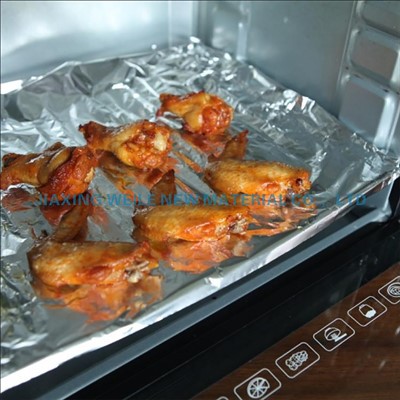
- Baking: Aluminum foil can be used to line baking sheets and pans, preventing food from sticking and making cleanup easier. It can also be used to cover food while baking to prevent it from burning or drying out.
- Cooking: Aluminum foil can be used to wrap food for cooking, such as vegetables, fish, or chicken. This helps to seal in the moisture and flavors, resulting in tender and flavorful food.
- Freezing: Aluminum foil is a great way to wrap food for freezing, as it helps to prevent freezer burn and keeps the food fresh for longer.
- Grilling: Aluminum foil can be used to line the grill grates, preventing food from sticking and making cleanup easier. It can also be used to wrap food for grilling, such as vegetables or fish.
Conclusion
In conclusion, a plain aluminum foil roll can indeed be used to clean silverware. The chemical reaction between the aluminum foil and the tarnished silver effectively removes the tarnish and restores the silverware's shine. This method is cost-effective, gentle on silver, environmentally friendly, and easy to use. However, it may not be as effective for heavily tarnished items and can be time-consuming. If you're looking for a simple and affordable way to clean your silverware, give aluminum foil cleaning a try.
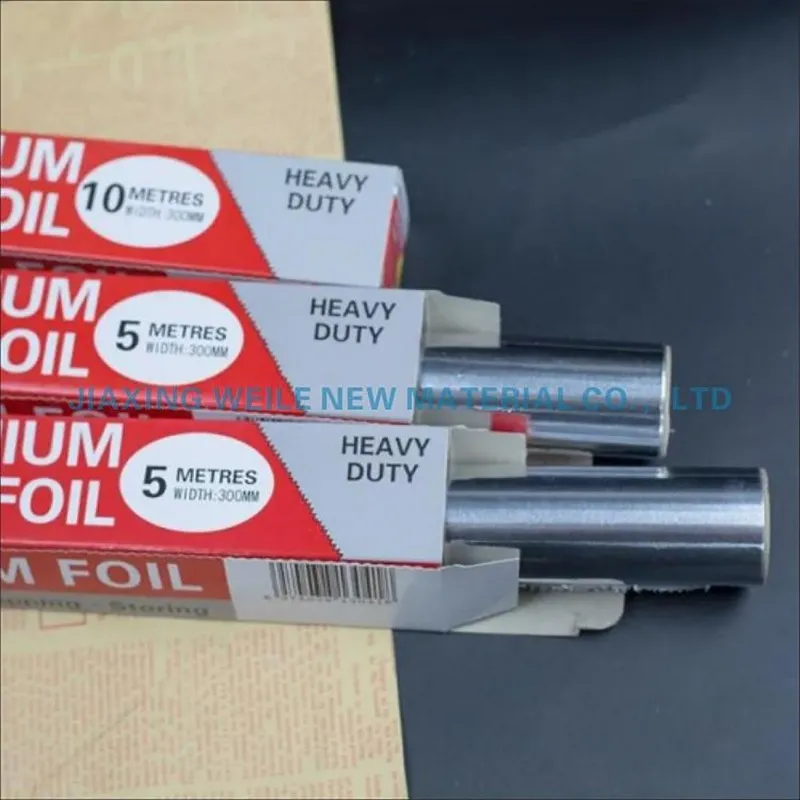
As a supplier of Plain Aluminum Foil Roll, Baking Pastry Aluminum Foil Paper Roll, and Heavy Duty Greaseproof Aluminium Foil ROLL, we offer high-quality products that are perfect for a variety of household and kitchen uses. If you're interested in purchasing our aluminum foil rolls, please contact us to discuss your requirements and to receive a quote. We look forward to hearing from you!

References
- "How to Clean Silverware with Aluminum Foil." The Spruce.
- "The Science of Cleaning Silver with Aluminum Foil." ThoughtCo.
- "Aluminum Foil Uses in the Kitchen." Martha Stewart.